Essay · Gentrification and displacement · 2026
Development for the Public?
Gentrification and Displacement as the End of the World for Some
The Death of a Young Man
On November 30th of 2018, Joon-Kyung Park, a 37-year-old man, was evicted from his home with his mother. Three days later, he was found as a cold body in the Han River (Media Today, 2018). As a low-income worker relying on short-term construction jobs, he had nowhere to go after his last home was demolished. He was evicted three times during the government-led reconstruction of his neighborhood, which involved forced demolition.
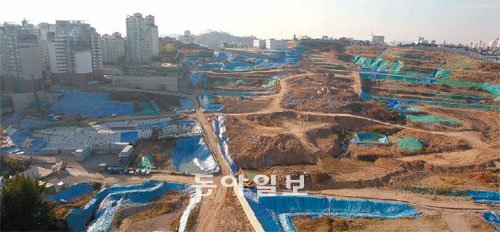
Park had lived in what is now designated as “Ahyeon Reconstruction District 2,” part of the broader Ahyeon New Town project, covering 1,088,094 m² (269 acres) and developed from 2003 to 2022 (Namuwiki, n.d.).1
“I have no place to eat or sleep because I am forced out in the cold winter. I am afraid of facing tomorrow, so I decided to leave this world. I am worried about my mother even if I die like this. Please let her have one long-term public rental housing.”
Joon-Kyung Park’s final note, quoted in Kyunghyang News, 2018
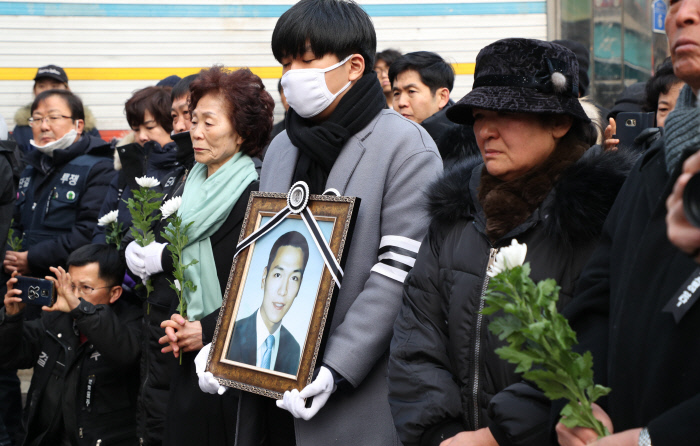
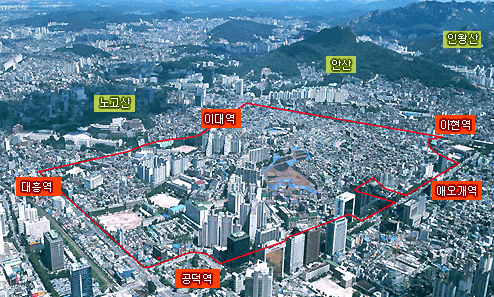
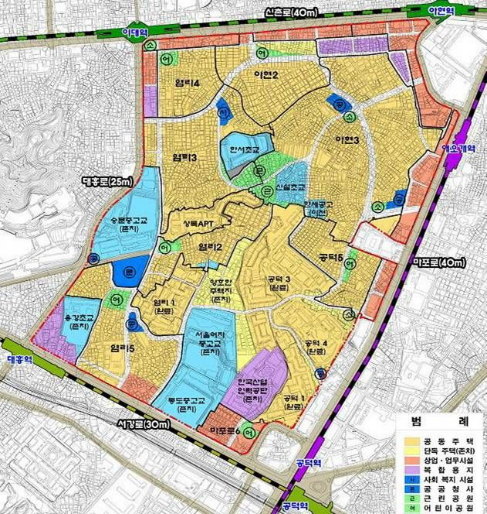
This case illustrates how gentrification in Seoul produces not only displacement but also violence that leads to social and physical death. The news of Park’s death brought significant attention citywide, and many people mourned. Others rejoiced that the final obstacle had been eliminated and reconstruction could begin after all residents were cleared.
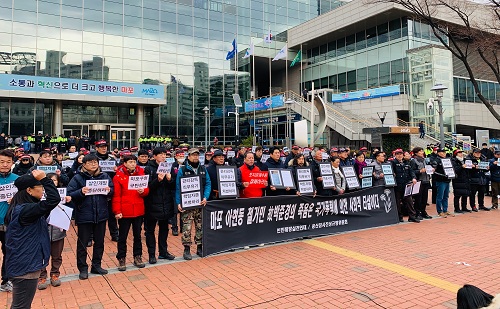
In South Korea, redevelopment and reconstruction (jaegaebal and jaegeonchuk) have often been understood as locally specific mechanisms of urban development. However, drawing on Planetary Gentrification (2016), redevelopment can also be understood as a form of gentrification because it produces displacement.2
This essay examines the struggles of renters and tenants during state-led gentrification in Seoul. It highlights a critical blind spot in discussions of gentrification and displacement through the cases of the Ahyeon New Town project (2003–2022) and District 2, where the tragedy occurred in 2018.
Drawing on rent gap theory, the concept of the revanchist city, and Marcuse’s typology of displacement, this essay analyzes Korean redevelopment as a state-led, mega-scale process of urban transformation that generates violence and displacement. It argues that these consequences must be understood as the loss of “home,” not only as physical shelter but also as a social and psychological condition.
State-led, Mega-scale Gentrification in Seoul
In South Korea, government-led, mega-scale gentrification can be understood through the interaction between a neoliberalizing state and the rise of a speculative middle class. Financial crises—particularly those of 1997–1998 and 2008—played a critical role in reshaping this relationship, intensifying aspirations for capital accumulation through real estate and triggering a redevelopment craze in Seoul.
As scholars such as Kim (2022) and Jung (2023) note, these crises marked turning points in the state’s active intervention in urban redevelopment while simultaneously fostering speculative behavior among the middle class. Facing the risk of downward mobility, the middle class increasingly turned to property as a means of securing and accumulating wealth, reinforcing demand for redevelopment.
In this context, redevelopment and reconstruction became closely tied to property-based wealth accumulation (Lees et al., 2016), reflected in widening rent gaps and sharp increases in property values. At the same time, neoliberalizing governments reoriented urban policy toward revenue generation, expanding redevelopment projects from small-scale interventions to large-scale transformations. The Korean government, as a developmental state, has operated centralized power in planning and execution, prioritizing national economic development. This power established a structure of centralized, top-down urban planning that streamlines large-scale land acquisition and execution at the mega-scale.
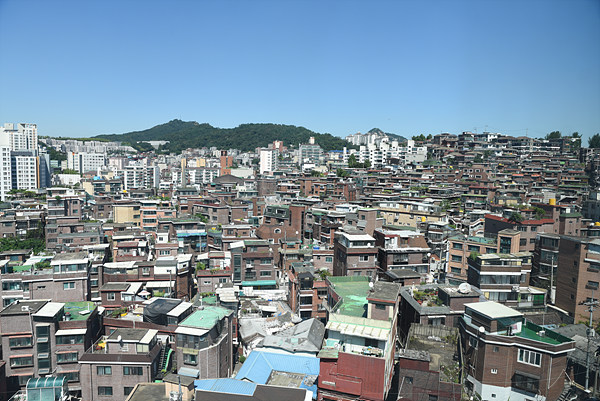
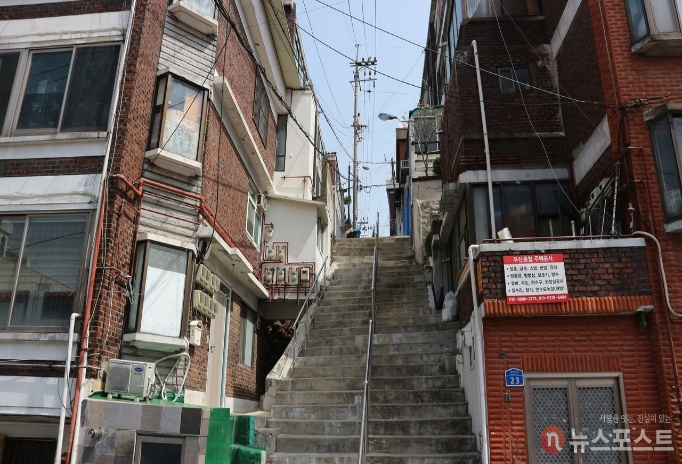
The developmental state mindset was translated into a narrative of urban redevelopment, with slogans of “development for the public interest” and “national economic development” (Hongdae News, 2019). In Ahyeon New Town, the government framed the area as outdated infrastructure that should be replaced with modern infrastructure. This is a typical narrative for large-scale urban renewal that transforms organically developed low-rise neighborhoods or low- to middle-class areas into high-rise apartment complexes under the name of public interest.
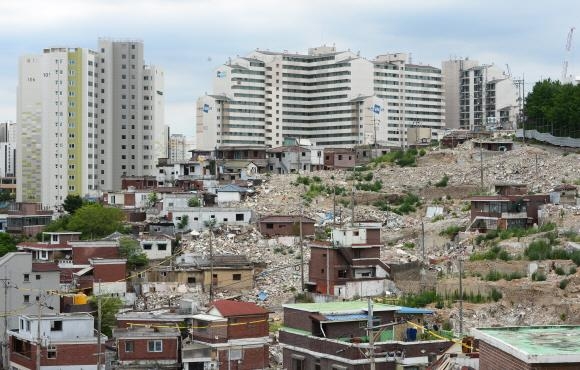
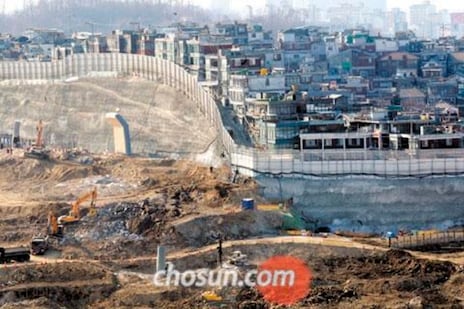
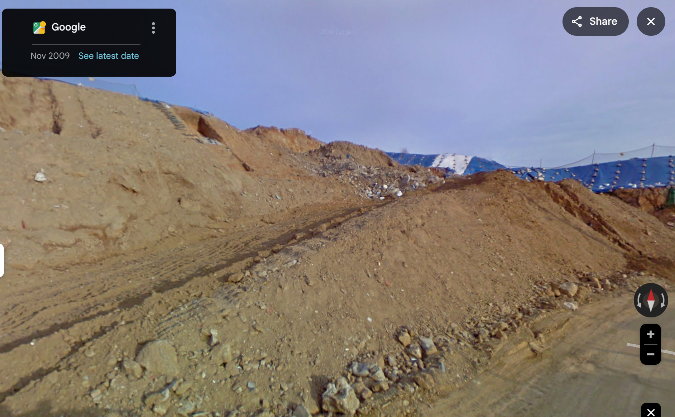
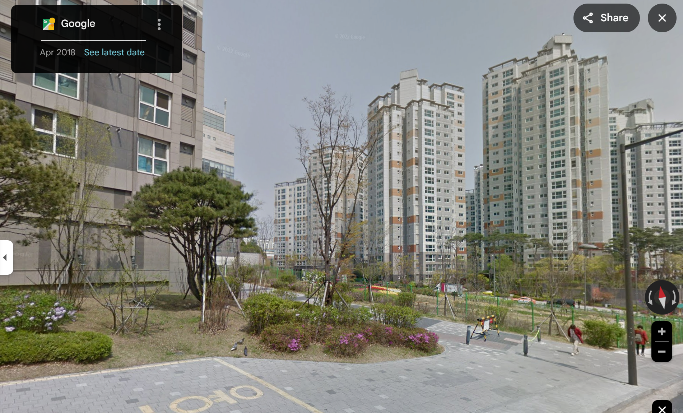
What distinguishes Korean metropolitan gentrification is not only its spatial scale but also its temporal and geographical characteristics. According to Ruth Glass’s classical definition of gentrification (Lees, Slater, and Wyly, 2008), the process unfolds gradually without clearly defined boundaries. In Korea, it often occurs abruptly within a targeted timeframe and formally designated boundaries. As a result, the transformation of the physical and social fabric produces a stark contrast between the existing environment and newly built developments.
Class Struggle: Rent Gap Theory and the Revanchist City
Korean gentrification demonstrates that rent gap theory is a primary driver of large-scale redevelopment. While classical gentrification often occurs through the gradual rehabilitation of individual housing, in Korea the realization of rent gaps takes place through the total demolition of existing housing and its replacement with high-rise apartment complexes. This process involves not only transforming housing types but also restructuring streets, infrastructure, and commercial environments within designated redevelopment areas.
Since the announcement of redevelopment in Ahyeon-dong, the media have emphasized its prime location, access to multiple subway lines, and future transformation into modern apartment complexes. This narrative highlights the area’s potential value, reinforcing the rent gap, while simultaneously reframing existing conditions as inappropriate settlements for their locations. As a result, newly developed housing is priced far above previous levels, excluding former residents and reflecting a revanchist restructuring of urban space.
For example, a detached house in Ahyeon-dong valued at approximately 20 million KRW (JoongAng News, 2021) was later redeveloped into an apartment unit in Mapo Raemian Prugio. The apartment became five times more expensive by 2019 and nearly ten times more expensive by 2026 (Naver Real Estate, 2026). This dramatic increase widens the rent gap, generating substantial profits for property owners while making it impossible for former low-income renters to return.
This process illustrates a form of class restructuring in which existing working-class communities are displaced and replaced. As Neil Smith (1996) argues, such transformation reflects a revanchist urban process that reclaims urban space from marginalized populations and rewrites its social geography in the name of urban progress.
In Seoul, state-led development reinforces this process through dominant narratives that frame low-income neighborhoods as obstacles to urban circulation. These areas are often stigmatized as outdated and lacking aesthetic value, while “modern” urban space is equated with high-rise apartment complexes. This narrative legitimizes the wholesale replacement of existing communities under the broader discourse of national economic development. Within this logic, Ahyeon District 2, where Park lived, was incorporated into the Ahyeon New Town project under a narrative of “concerns over slum formation” in 2006 (Media Today, 2018).
Displacement and Its Consequences: The Process of Losing Home
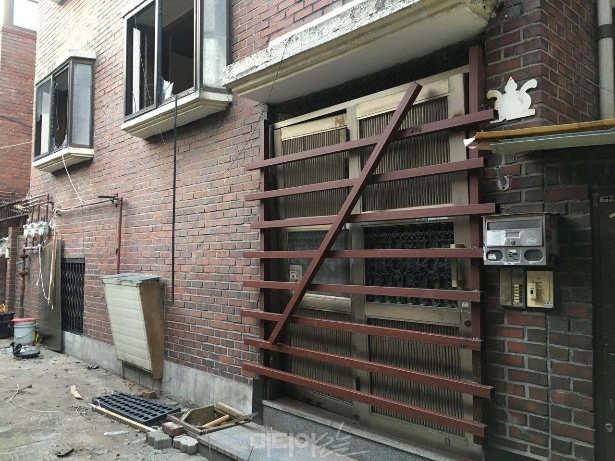
This dynamic reveals the coercive and state-mediated nature of gentrification in the Korean context. Once an area is designated for redevelopment, existing tenants are not encouraged or incentivized to leave. Instead, enforcement agents arrive with court orders that legitimize redevelopment and forcibly remove residents from their homes, leading to the total demolition of the designated area. Total demolition is carried out to minimize construction time, but it drastically increases the housing insecurity faced by existing residents (Kim, 2022). The state is authorized to carry out eviction, demolition, and even the use of force, particularly against low-income residents who lack the economic capacity to relocate.
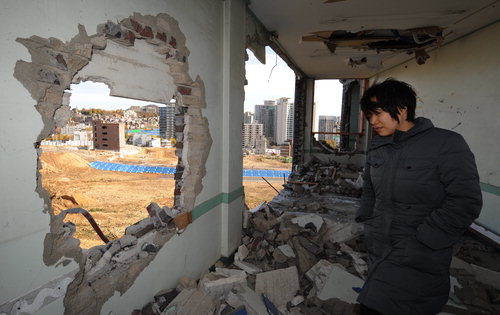
In the Ahyeon New Town area, District 2 underwent repeated forced demolitions, reportedly up to 24 times, accompanied by municipal officials and private demolition agents (Hongdae News, 2019). The process is neither gentle nor peaceful; it involves physical violence and intimidation toward residents who resist leaving. In extreme cases, residents reported that their homes were intentionally damaged or set on fire to force eviction (Kyunghyang News, 2009; Media Today, 2018). These experiences show that displacement in this context is immediate and coercive, posing not only housing insecurity but also threats to physical safety.
Reflecting on Peter Marcuse’s typology (1985), the Ahyeon New Town case demonstrates three forms of displacement: direct displacement, displacement pressure, and exclusionary displacement. Direct displacement occurs through forced eviction and demolition, resulting in the immediate loss of physical home. The most vulnerable renters, who lack economic and social resources, are disproportionately affected by this process.
Beyond physical removal, redevelopment produces displacement pressure through the destruction of community networks. The total demolition of neighborhoods removes not only housing but also the social relationships embedded within these spaces. As Curran (2018) suggests, gentrification disrupts social relations, particularly among vulnerable populations who rely on local networks for everyday survival. In this sense, residents lose their social home alongside their physical shelter.
Finally, redevelopment generates exclusionary displacement by preventing former residents from returning. The conversion of low-rise and multi-family housing into high-rise apartment complexes produces a sharp increase in property values and rents. Previous residents, especially renters, are excluded from the redeveloped area. Although some districts provided public rental housing, this accounted for only a limited portion of total units, reinforcing long-term socio-spatial inequality (Seoul Metropolitan Government, 2005).
These forms of displacement extend beyond material loss and penetrate the meaning of home. The Ahyeon case demonstrates that home is not only physical but also social and psychological. Park’s case illustrates this most clearly. After being evicted three times and becoming homeless, he wrote that he was “afraid of facing tomorrow.” This reflects not only the loss of physical shelter but also the collapse of psychological home—the sense of stability and belonging necessary to sustain life. His experience suggests that, even as a renter, his home functioned as a critical foundation for his survival, socially and emotionally.
Home has a multidimensional meaning. For vulnerable populations, psychological dependence on home can be as critical as physical shelter, shaping their ability to remain socially and mentally alive.
Blind Spot of Gentrification: Systemic Exclusion of Renters
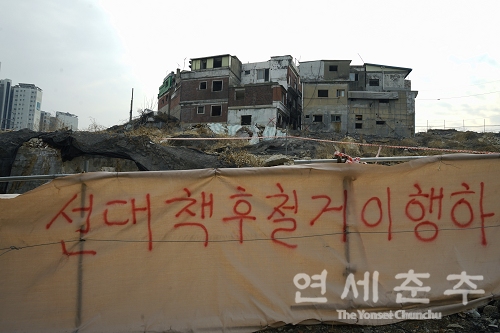
The issue of compensation for renters reveals a critical structural gap in Korea’s redevelopment system, which remains largely centered on property ownership. While property owners often face difficulties returning to redeveloped areas, those who disappear most completely from the process are tenants. The eligibility criteria for tenant compensation remain excessively restrictive. In reconstruction projects such as Park’s District 2, even these minimal protections are largely absent (Media Today, 2018). While redevelopment tenants received only about USD 10,000 per family for relocation, reconstruction provided no compensation for tenants.
Compensation must therefore involve both physical housing and financial support for displaced renters. As redevelopment proceeds through compulsory acquisition, an estimated 320,000 people are displaced each year in Korea, underscoring the urgent need for adequate relocation and compensation measures. As one displaced resident expressed, “I would rather die than leave, but with this level of support, I cannot afford to stay in Mapo—I have to move far away” (TBS Seoul, 2021). Between 2000 and 2010, as areas were redeveloped into New Towns, the resettlement rate among renters fell to about 20 percent in Seoul (Kim, 2022).
These conditions highlight a deeper inequality embedded within the redevelopment process. As rent gap theory suggests, redevelopment tends to concentrate in older, low-income neighborhoods where the gap between current and potential land value is greatest. The communities that have long sustained these neighborhoods are therefore those most severely affected. Tenants, in particular, are not merely temporary occupants but are often deeply rooted in the area, forming social networks and everyday practices that constitute the core of local community life.
Despite this, tenants remain largely excluded from both compensation and decision-making processes. In many cases, they lack legal standing to negotiate or claim adequate support, receiving minimal or no relocation assistance while housing prices continue to rise.
Addressing this gap requires a shift in how redevelopment is governed. Rather than privileging ownership alone, policies should recognize long-term residency and incorporate tenants into negotiation and decision-making processes. This could include granting participation rights based on years of residence and ensuring that hearings and compensation frameworks reflect the voices of those most affected. Without such changes, redevelopment risks continuing as a process that systematically excludes the very communities it claims to serve.
Conclusion
Redevelopment-led gentrification in South Korea operates not simply as a process of urban improvement, but as a state-led mechanism of class restructuring in response to aspirations for middle-class wealth accumulation. Framed through the discourse of public interest and national economic development, redevelopment systematically privileges capital over existing communities. It produces a legal, political, and administrative blind spot that disproportionately affects tenants and risks pushing the most vulnerable to the social margins.
Urban space is now a battleground over good locations, higher rents, displacement, and gentrification. This competition creates a predator-and-prey relationship in urban spaces controlled by capital. Areas composed of low-rise housing and long-established communities become the next frontier for speculative redevelopment, forming a predatory cycle in which marginalized populations are repeatedly displaced.
As is often said, money has cold blood; the process does not adequately consider the impact of displacement and its fatalities.
Reflecting on Park’s death reveals that the meaning of home is not limited to physical shelter but is also a psychological anchor that sustains life. While policy discussions address compensation and legal rights for non-owners and tenants, numerous redevelopment projects continue to demolish lives without respect. At a minimum, structural improvements must include long-term residents and tenants in development and decision-making. This recommendation remains tangible and can mitigate violence and displacement. Ultimately, Park’s case highlights the significant influence of urban planning and exposes the fatal consequences of gentrification—a process that sacrifices one person’s hope for life for another’s wealth accumulation under the name of “development for the public.”
Notes
- Ahyeon-dong is a neighborhood of Mapo-gu in Seoul.
- Redevelopment (jaegaebal) and reconstruction (jaegeonchuk) are distinguished by whether a project includes infrastructure improvement. Reconstruction typically rebuilds existing structures where infrastructure is already adequate, while redevelopment upgrades inadequate infrastructure alongside buildings (Media Today, 2018).
References
Curran, Winifred. 2018. Gender and Gentrification. New York: Routledge. Chapter 2.
Jung, Chungse. 2023. “From Place of Speculation to Space of Resistance: Transforming Urban Politics on Urban Redevelopment Projects in Seoul.” In The Routledge Handbook of Urban Studies in East Asia, 244–258. London: Routledge. doi.org/10.4324/9781003404736-17
Kim, Sang-Cheol. 2022. “Formation and Deprivation of the Commons.” In Commons Perspectives in South Korea, 136–157. London: Routledge. doi.org/10.4324/9781003224280-12
Lees, Loretta, Tom Slater, and Elvin Wyly. 2008. Gentrification. New York: Routledge. Chapter 1.
Lees, Loretta, Hyun Bang Shin, and Ernesto López-Morales. 2016. Planetary Gentrification. Cambridge: Polity Press.
Marcuse, Peter. 1985. “Gentrification, Abandonment and Displacement: Connections, Causes and Policy Responses in New York City.” Journal of Urban and Contemporary Law 28: 195–240.
Smith, Neil. 1996. The New Urban Frontier: Gentrification and the Revanchist City. London: Routledge.
Smith, Neil. 2008. Uneven Development: Nature, Capital, and the Production of Space. 3rd ed. Athens: University of Georgia Press.